• Home
  • Meet Michael
  • Reviews
  • Clients
  • Virtual Events
  • Fundraising Insights
  • CONTACT
  • Privacy Policy
Menu

 Michael Green Auctions

77 Bleecker Street
New York, NY, 10012
Phone Number

Your Custom Text Here

 Michael Green Auctions

  • Home
  • Meet Michael
  • Reviews
  • Clients
  • Virtual Events
  • Fundraising Insights
  • CONTACT
  • Privacy Policy

How to Curate the Perfect Auction Item List

September 22, 2025 Michael Green

One of the questions I get asked most often by nonprofits is: “How do we choose the right items for our auction?”

Over the years, I’ve learned that a carefully curated auction list can make or break your event. It’s not just about collecting donations—it’s about creating excitement, engagement, and, ultimately, revenue. Here’s how I approach it.

1. Start with a Balanced Mix

I always make sure an auction includes a variety of items. Experiences, tangible goods, and mission-driven packages all have a place. Experiences—like private dinners, travel, or behind-the-scenes access—often generate the most energy, while luxury items and memorabilia appeal to specific collectors. A mix ensures there’s something for every type of bidder.

2. Focus on “Money-Can’t-Buy” Experiences

In my experience, the most sought-after items are those people can’t just purchase in a store. Private tastings, celebrity meet-and-greets, or exclusive tours create bidding wars because they offer a once-in-a-lifetime experience. Those are the items I always prioritize.

3. Know Your Audience

I always ask myself: who will be in the room? What motivates them? Understanding your audience allows me to select items that will generate excitement and participation. If your crowd loves food and wine, curated culinary experiences will outperform generic gift baskets every time.

4. Keep Items Desirable but Achievable

While high-ticket items drive energy, I also include mid-range options. This ensures every guest feels they can participate and win something meaningful. A few “everyone-can-bid” items help maintain momentum throughout the auction.

5. Package Items Creatively

Presentation matters. I like to combine smaller items into themed packages—like a spa day or a date night basket. Creative packaging increases perceived value and encourages competitive bidding.

Curating an auction list isn’t about collecting as many items as possible—it’s about strategy, audience understanding, and storytelling. The right mix of experiences, tangible goods, and mission-driven packages can transform your auction from good to exceptional.

At Michael Green Auctions, I work with nonprofits to design auction item lists that maximize excitement, engagement, and revenue. If you want your next auction to soar, I’d love to connect.
let's talk
Tags auction item ideas, charity auction tips, nonprofit fundraising strategies, Michael Green Auctions, how to choose auction items

6 Tips to Maximize End-of-Year Giving

September 22, 2025 Michael Green
Nonprofit fundraising team planning end-of-year giving strategy

Every year, I see nonprofits relying on the final months to meet critical fundraising goals. End-of-year giving can be a game-changer—but it doesn’t happen automatically. Over the years, I’ve helped organizations increase donations during this season, and I’ve learned that success comes from strategy, storytelling, and timing.

Here’s how I approach maximizing end-of-year giving.

1. I Start Early and Plan Strategically

I never wait until December to send appeals. Planning ahead lets me map out communications, highlight key programs, and create a sense of urgency. Starting early gives donors time to engage, plan gifts, and feel connected to the impact of their contributions.

2. I Tell Compelling Stories

Donors give to people and outcomes, not organizations. I help nonprofits craft stories that show exactly what gifts will accomplish. Whether it’s a child receiving tutoring, a family finding shelter, or a community project coming to life, concrete stories make giving tangible and emotionally compelling.

3. I Make Giving Easy and Accessible

I’ve seen too many nonprofits lose donations because the process is complicated. I recommend multiple donation channels—online, mail, text-to-give—so donors can give the way that’s easiest for them. Clear suggested gift levels also help donors understand the impact they can make.

4. I Leverage Matching Gifts and Challenges

Matching gifts are a proven motivator. I always highlight any matching opportunities or challenges that can double the impact of donations. The idea that “your gift goes further” creates urgency and inspires larger contributions.

5. I Engage Donors Personally

A personal touch goes a long way. I send handwritten notes, personal emails, or make phone calls to top supporters. I acknowledge their past contributions, share progress, and make them feel like they’re part of a team achieving something meaningful.

6. I Use Events or Experiences as Catalysts

End-of-year events—whether virtual gatherings, small donor receptions, or even auction-style experiences—can spark giving. I’ve seen donors respond enthusiastically when an event combines connection, celebration, and mission impact. Even a short, well-crafted online experience can significantly boost contributions.

End-of-year giving isn’t just about sending appeals—it’s about creating a strategic, compelling, and personal experience that motivates donors. By combining storytelling, accessibility, and engagement, I help nonprofits maximize both revenue and impact.

At Michael Green Auctions, I work with organizations to design fundraising experiences that inspire generosity and drive results. If you want to make this year’s giving season your strongest yet, I’d love to connect.

Let's Chat!
Tags maximize nonprofit fundraising, nonprofit fundraising strategies, nonprofit fundraising strategy

How to Train Volunteers to Maximize Bids at Charity Auctions

September 22, 2025 Michael Green
Auctioneer training nonprofit volunteers to spot bids at a live auction

One of the biggest misconceptions I hear from nonprofits is that volunteers are just there to check people in or hand out bid sheets. The truth is, well-trained volunteers are critical to an auction’s success. Over the years, I’ve seen how the right guidance, preparation, and energy can turn volunteers into revenue-driving powerhouses.

Here’s how I approach training volunteers to help maximize bids.

1. Set Clear Roles

From the start, I make sure every volunteer knows exactly what they’re responsible for. Are they bid spotters, registration helpers, or paddle raisers? Clarity prevents confusion and ensures everyone is focused on supporting bidders rather than trying to figure out what to do next.

2. Teach Them the Flow of the Auction

Volunteers perform best when they understand the rhythm of the night. I walk them through the order of events—from silent auction check-ins to live auction pacing and the fund-a-need. When volunteers anticipate what’s coming, they can move efficiently and help keep energy high.

3. Emphasize Engagement

Volunteers aren’t just there to do tasks—they’re there to connect with guests. I coach them to greet attendees warmly, answer questions confidently, and encourage participation without being pushy. Every positive interaction keeps bidders in the moment and more likely to give generously.

4. Highlight the Importance of Spotting Opportunities

Bid spotters are the unsung heroes of an auction. I train volunteers to recognize moments when a donor may want to raise their paddle, to alert me if someone seems hesitant, and to help create momentum in the room. Their eyes on the floor make a huge difference in revenue.

5. Practice, Practice, Practice

We run through at least one full rehearsal before the event. Volunteers practice check-in, spotting, and handling questions. The more comfortable they feel, the more confident they are—and confident volunteers create confident bidders.

Volunteers are more than helpers—they’re an extension of the auctioneer and the nonprofit’s mission. When trained properly, they can elevate the energy, drive higher bids, and make the entire evening run smoothly. I always tell organizations: invest time in your volunteers upfront, and the results on auction night will reflect it.

At Michael Green Auctions, I don’t just lead the auction—I train your team so every volunteer feels empowered to make a difference.

Tags charity auction volunteers, maximize bids at charity auctions, volunteer training for auctions, train volunteers for fundraising events

The Psychology of Bidding: What Really Drives Donors to Raise Their Paddle

September 22, 2025 Michael Green
Donors raising paddles in a competitive charity auction

One of the questions I get asked all the time is: “What makes people bid at charity auctions?”

On the surface, it seems simple—guests bid because they want the item. But after years on stage as a charity auctioneer, I can tell you the truth is much deeper. The most successful auctions tap into human psychology: competition, community, and connection to the cause.

Here are the biggest factors I’ve seen drive donors to raise their paddles higher and higher.

1. The Thrill of Competition

I’ve watched bidding wars break out over trips, dinners, and even simple items—not because guests desperately needed them, but because they wanted to win. That competitive energy is powerful. When the room feels the excitement, it pushes donors to go beyond what they thought they’d spend.

2. Social Proof

Nobody wants to be the only paddle in the air. When donors see others around them giving generously, it creates momentum. I always make a point to recognize gifts in the room—it validates generosity and inspires others to join in.

3. Emotional Connection to the Mission

At the heart of every great auction is the cause. Donors bid higher when they know their dollars are changing lives. That’s why I take time to connect every item and every moment back to the mission. It turns bidding from a transaction into an act of impact.

4. A Sense of Belonging

Charity auctions are communal experiences. Donors aren’t just buying—they’re participating in something bigger. The energy of the room, the laughter, and the shared purpose all fuel generosity. When people feel like part of a community, they give more.

5. Fun and Entertainment

I’ve learned that people give more when they’re having a good time. Humor, pacing, and audience engagement are just as important as the items on the block. An auction should feel like the highlight of the evening, not the obligation

At the end of the day, bidding is about more than winning an item. It’s about competition, community, and connection to the cause. My job as an auctioneer is to tap into those emotions and create a moment where generosity feels irresistible.

At Michael Green Auctions, I don’t just sell items—I create experiences that unlock generosity. If you’d like to see the psychology of bidding work in your favor, let’s talk.

Let's Talk to Michael!
Tags psychology of bidding, fundraising auctioneer tips, competition in charity auctions, nonprofit fundraising psychology, charity auction bidding strategie

The Biggest Mistakes I See Nonprofits Make in Their Auction Program

September 22, 2025 Michael Green
Auctioneer running a nonprofit fundraising event

After years of working as a charity auctioneer, I’ve seen it all—the soaring successes and the missed opportunities. And while every event is unique, I’ve noticed a handful of mistakes that show up again and again. The good news? They’re easy to fix once you know what to look for.

Here are the biggest mistakes I see nonprofits make in their auction programs—and how I help them avoid them.

1. Overloading the Auction with Too Many Items

One of the fastest ways to dilute energy is by offering too many items. I’ve watched guests start to lose focus and bidding momentum stall when the catalog is too long. In my experience, less is more. A curated list of high-quality items always outperforms a bloated one.

2. Skipping the Storytelling

An auction without a strong connection to the mission is just shopping with a twist. The most profitable auctions I’ve led are the ones where every item and every moment ties back to the cause. Storytelling turns transactions into impact, and I weave it into everything I do on stage.

3. Bad Timing for the Fund-a-Need

The fund-a-need (paddle raise) is often the single biggest revenue driver of the night. But I’ve seen it placed too early, too late, or even lost between other program elements. Timing matters. I always work with nonprofits to make sure the paddle raise becomes the emotional centerpiece of the evening.

4. Underestimating the Role of the Auctioneer

Not every emcee can drive an auction. I know how much difference it makes when a professional auctioneer is on stage—someone who can read the room, keep energy high, and maximize giving without making donors feel pressured. An inexperienced auctioneer can leave a lot of money on the table.

5. Forgetting About Donor Experience

Sometimes organizations focus so much on revenue that they forget about the guest experience. I’ve learned that if donors feel bored, rushed, or ignored, they won’t come back. That’s why I design auctions to be fun, inspiring, and memorable—an evening donors look forward to year after year.

The best auctions don’t happen by accident—they’re the result of smart strategy and thoughtful planning. By avoiding these common pitfalls, nonprofits can raise more money, engage donors more deeply, and create events that truly move the mission forward.

At Michael Green Auctions, I partner with nonprofits to design auction programs that are both profitable and unforgettable. If you’d like to avoid the mistakes that hold so many events back, I’d love to connect.

Let's chat

The 5 Hidden ROIs of Charity Auctions

September 22, 2025 Michael Green
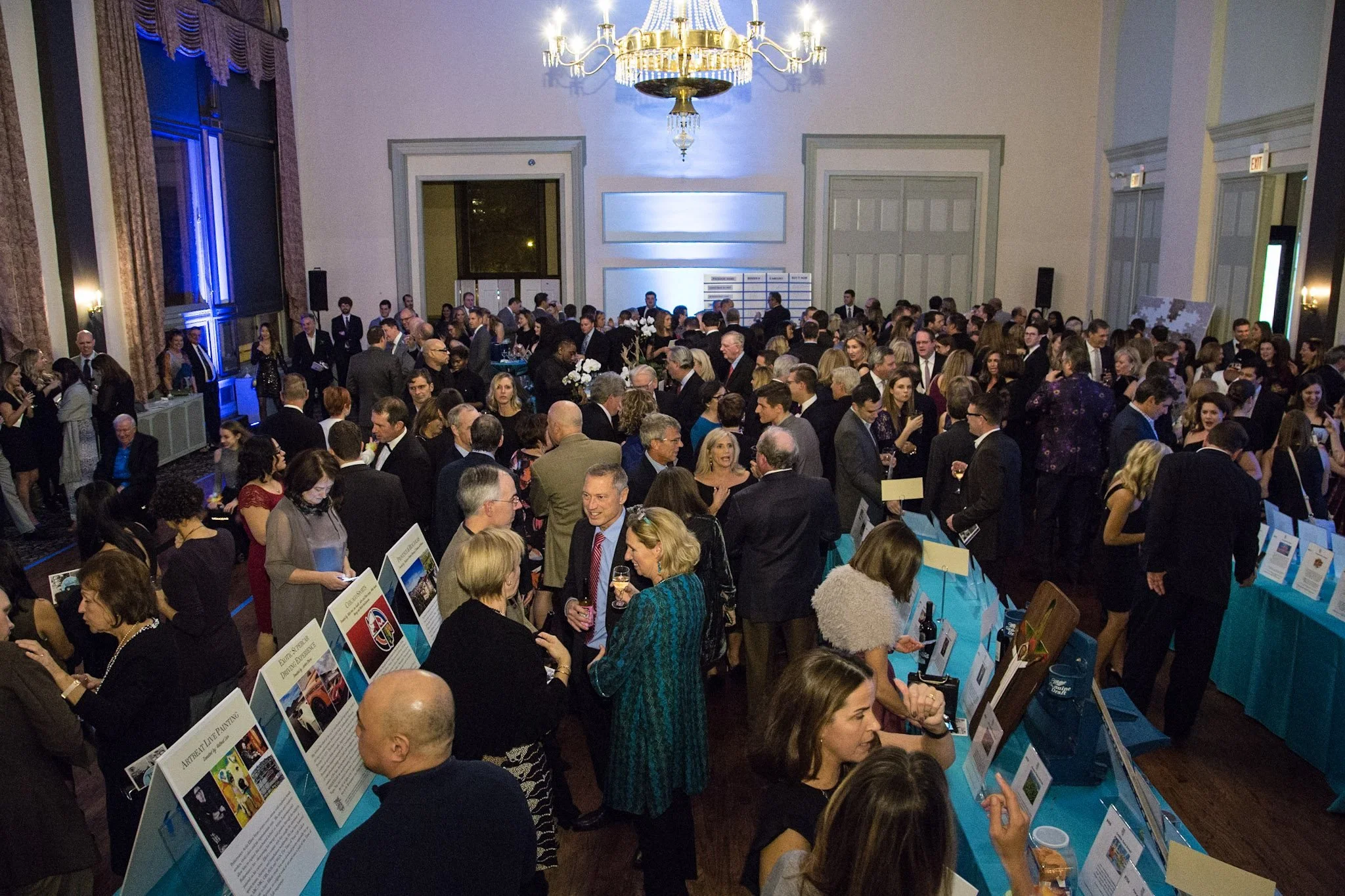
Donors networking at a charity fundraising gala

When people think about charity auctions, the first question is usually: “How much money will we raise?” And while dollars raised is certainly important, I’ve learned over the years that it’s only part of the story. The truth is, some of the most valuable benefits of an auction don’t show up on the balance sheet the next morning.

Beyond the Paddle Raise

Yes, the live auction and fund-a-need generate immediate revenue—but the real return on investment goes deeper. Auctions give us the chance to connect donors to the mission, build community, and create moments that inspire long-term generosity.

1. Strengthening Donor Relationships

One of my favorite parts of an auction is watching donors leave not just with what they won, but with a stronger emotional connection to the cause. They leave with stories, memories, and a sense of belonging—and that stays with them long after the event.

2. Expanding Your Network

Every time I step onto the stage, I know the room is filled with potential. Guests are often friends or colleagues of current supporters, and an auction becomes their first real touchpoint with the nonprofit. I’ve seen this lead to new sponsors, major gifts, and even future board members.

3. Showcasing the Mission

As an auctioneer, one of my key roles is to weave the mission into every moment of the event. Every item can be framed as more than a prize—it becomes a way to create impact. That kind of storytelling makes giving feel meaningful, not transactional.

4. Building Momentum for the Future

The best auctions don’t just raise money—they build momentum. Donors who have a great time want to come back, bring friends, and get more involved. I’ve seen auctions spark enthusiasm that carries forward into year-round engagement.

5. Elevating the Brand

Auctions are also a chance to show off a nonprofit’s personality. They create excitement, buzz, and moments people want to share. Long after the last paddle is lowered, that energy continues to shine a light on the organization’s mission.

I never measure an auction’s success by dollars alone. For me, the hidden ROI is in the connections made, the networks expanded, and the community strengthened. When done right, auctions don’t just raise money—they help nonprofits build lasting impact.

At Michael Green Auctions, I design and lead events that maximize both revenue and relationships. If you’re ready to unlock the full ROI of your next fundraiser, I’d love to connect.

let's chat!
Tags charity auctions ROI, nonprofit fundraising strategies, auctioneer advice, Michael Green Auctions, nonprofit event planning, live auction fundraising tips

Charity Auctions on a Budget: How Small Nonprofits Can Make Them Work

September 16, 2025 Michael Green

Run charity auctions on a budget! Discover smart, low-cost fundraising ideas for small nonprofits to raise more and engage donors effectively.

Read more
Tags Charity Auctions on a Budget, Small Nonprofit Fundraising Ideas, Low-Cost Fundraising Events, Nonprofit Auction Strategies, How to Run a Charity Auction, Fundraising Auctions for Small Nonprofits, Creative Fundraising Ideas for Nonprofits, Best Auction Items for Nonprofits

6 Tips on How to Engage Younger Donors at Charity Auctions

September 16, 2025 Michael Green

Why Engaging Younger Donors at Auctions Matters

One of the biggest questions I hear from nonprofits is:
“How do we get Millennials and Gen Z excited about charity auctions?”

These younger generations give differently than their parents. They value experiences, social connection, transparency, and impact. The good news? With the right strategy, charity auctions are uniquely positioned to meet those needs.

Here are 6 proven tips to make your next auction resonate with younger donors.

1. Make It About the Mission, Not Just the Money

Millennials and Gen Z want to know the impact of their dollars. They respond best when every item and every bid connects directly back to your nonprofit’s mission.

👉 Example: Don’t just auction off “a trip to Mexico.” Instead, frame it as “a trip that funds 50 nights of shelter for families in need.” That clarity and transparency inspire trust—and higher bids.

2. Emphasize Experiences Over Stuff

Research shows younger donors value experiences more than possessions. That means travel packages, behind-the-scenes access, culinary events, or meetings with inspiring leaders will always resonate more than jewelry or luxury items.

When your auction items feel meaningful, social, and memorable, younger bidders are more likely to participate enthusiastically.

3. Lean Into Technology

Millennials and Gen Z are digital natives. Mobile bidding platforms, QR codes, and cashless payments make the process seamless and fun.

If bidding feels as intuitive as using an app, participation and revenue both increase.

4. Build a Social Atmosphere

Not every auction has to be a formal gala. Younger donors often prefer casual, vibrant settings—think:

  • Breweries

  • Rooftop venues

  • Food halls

  • Hybrid events mixing in-person + virtual audiences

By creating social fundraising events, you’ll attract younger attendees and keep them engaged.

5. Create Shareable Moments

Younger donors love sharing experiences online. Give them Instagram-worthy backdrops, live entertainment, or creative auction item displays.

When they post photos and videos, your nonprofit benefits from free, organic visibility—and your event gains momentum with their networks.

6. Give Them a Voice

Engagement goes beyond bidding. Invite younger donors to serve on your auction committee, co-chair an event, or help shape the auction experience.

When they feel included in the planning, they’ll bring their energy—and their friends—along for the ride.

Younger Donors Are Already Shaping Philanthropy

Millennials and Gen Z aren’t just the future—they’re already a driving force in philanthropy. By focusing on experiences, transparency, technology, and community, your nonprofit can unlock both immediate revenue and long-term donor loyalty.

Partner With an Auctioneer Who Knows How to Connect Across Generations

At Michael Green Auctions, I design fundraising experiences that resonate across all age groups—helping nonprofits raise more while building lasting donor relationships.

Let's Talk about your Auction!
← Newer Posts Older Posts →

Michael@michaelgreen.com

646.351.9668