• Home
  • Meet Michael
  • Reviews
  • Clients
  • Virtual Events
  • Fundraising Insights
  • CONTACT
  • Privacy Policy
Menu

 Michael Green Auctions

77 Bleecker Street
New York, NY, 10012
Phone Number

Your Custom Text Here

 Michael Green Auctions

  • Home
  • Meet Michael
  • Reviews
  • Clients
  • Virtual Events
  • Fundraising Insights
  • CONTACT
  • Privacy Policy

The Pros & Cons of Silent Auctions 

July 17, 2024 Michael Green

Silent auctions are a popular fundraising method for charities and nonprofit organizations, offering a dynamic way to raise funds and engage supporters. However, like any fundraising tool, silent auction items come with their own set of advantages and challenges.

Pros:

  1. Increased Revenue Potential: Silent auctions can generate significant revenue by encouraging competitive bidding among attendees. Unique or high-demand items can drive up bids, resulting in a higher total amount raised.

  2. Engagement and Excitement: Silent auctions create an interactive experience for guests, making them feel more involved in the event. The excitement of bidding and the prospect of winning a coveted item can enhance overall event enjoyment.

  3. Diverse Fundraising Opportunities: Silent auctions allow for a wide range of items, from donated goods and services to experiences like vacation packages. This variety appeals to different interests, broadening the appeal of the auction.

  4. Less Pressure: Unlike live auctions, silent auctions don't require a dedicated auctioneer or fast-paced bidding. This can create a more relaxed environment, encouraging participation from those who might feel uncomfortable with the intensity of a live auction.

Cons:

  1. Limited Bidding Time: Silent auctions are typically open for a limited period, which can restrict the amount of time potential bidders have to place their bids. This brevity might limit the overall revenue if attendees don’t have enough time to engage.

  2. Item Saturation: If not curated carefully, silent auctions can become cluttered with too many items, which can overwhelm bidders and dilute the perceived value of each item.

  3. Risk of Unsuccessful Bids: Items that are less attractive or not well-promoted may not receive sufficient bids, leading to unsold items and potentially missed revenue opportunities.

  4. Administrative Effort: Managing a silent auction involves tracking bids, ensuring items are displayed attractively, and processing payments. This requires careful planning and staff involvement to ensure a smooth operation.

Silent auctions can be a highly effective fundraising tool when executed thoughtfully. By weighing these pros and cons, charities can better plan their events to maximize success and achieve their fundraising goals.

Connect With Michael

Attracting New Donors and Retaining Current Ones

July 2, 2024 Michael Green

In today’s competitive fundraising landscape, attracting new donors and retaining current ones is crucial for non-profits. Here’s how non-profits can effectively attract new supporters and keep existing ones engaged, backed by real data and proven methods.

Attracting New Donors

  1. Leverage Digital Marketing and Social Media Digital marketing is pivotal in reaching potential donors. According to a report by the Nonprofit Tech for Good, 54% of online donations come from new donors each year. Leveraging social media platforms can be highly effective. Regular posts, engaging content, and targeted ads can increase visibility and attract new supporters. A well-executed social media campaign can yield a 20% increase in donations from new donors, as shown by studies from the Harvard Business Review.

  2. Host High-Impact Events Events like auctions can serve as powerful tools for attracting new donors. Michael Green’s unique auctioneering style creates a high-energy environment that not only engages current supporters but also draws in new attendees. Data from the Charity Navigator shows that events with dynamic auctioneers can increase attendance by up to 30% and boost the average donation amount by 15%.

  3. Build Partnerships and Collaborations Forming partnerships with local businesses and influencers can introduce your non-profit to new audiences. According to The Chronicle of Philanthropy, organizations that engage in partnerships see a 25% increase in new donor acquisition. Strategic collaborations provide access to new networks and potential supporters who might not have been reached otherwise.

Retaining Current Donors

  1. Personalize Communication Personalized communication is key to donor retention. Research from DonorPerfect highlights that personalized thank-you notes and targeted updates can increase donor retention rates by up to 20%. Ensuring that donors feel valued and informed about how their contributions are making a difference fosters loyalty and continued support.

  2. Offer Exclusive Opportunities Providing exclusive opportunities, such as special events or early access to new initiatives, can enhance donor satisfaction. A Blackbaud study found that 60% of donors are more likely to continue giving if they receive special benefits or recognition. Incorporating elements from successful auctions, like those managed by Michael Green, can create memorable experiences that strengthen donor relationships.

  3. Implement a Donor Stewardship Program A structured donor stewardship program helps maintain engagement with current supporters. According to The NonProfit Times, effective stewardship programs increase donor retention by 30%. Regular updates, impact reports, and invitations to exclusive events can keep donors connected and committed to your cause.

By integrating these strategies with the dynamic auctioneer style of Michael Green, nonprofits can enhance their fundraising efforts, attract new supporters, and retain existing donors. Embracing a multi-faceted approach ensures a sustainable and thriving donor base.

Connect With Michael

The Art of Auctioneering: Michael Green's Signature Style

June 25, 2024 Michael Green

At the heart of every successful auction lies the artistry of the auctioneer. Michael Green, renowned for his captivating style, brings a unique blend of charisma and expertise to every event he leads, setting the stage for memorable experiences and exceptional results.

Michael Green's approach to auctioneering is marked by a dynamic presence that commands attention from the moment he steps onto the podium. With a background steeped in both the auction industry and entertainment, he effortlessly combines his deep knowledge of valuations and bids with an innate ability to entertain and engage the audience.

One of Michael Green's signature techniques is his mastery of pacing and rhythm. He understands the importance of maintaining energy throughout the auction, keeping bidders enthusiastic and invested. His smooth transitions between items and bids create a seamless flow that enhances the excitement in the room.

Beyond his technical skills, Michael Green excels in building rapport with bidders. His charismatic personality and genuine passion for the items being auctioned create a connection that goes beyond the transactional nature of bidding. This personal touch not only encourages competitive bidding but also fosters a sense of community among participants.

Michael Green's auctions are also characterized by innovation. He embraces technology to enhance the auction experience, using digital platforms for live bidding and real-time updates. This forward-thinking approach ensures accessibility for a broader audience and maximizes engagement both onsite and online.

Ultimately, Michael Green's signature style as an auctioneer is a testament to his dedication to the craft and his commitment to delivering unparalleled experiences. Whether it's a charity gala, art auction, or estate sale, his ability to blend expertise with entertainment creates an atmosphere where every bid becomes an opportunity for excitement and philanthropy to thrive.

Contact Michael

Beyond the Bid: Building Lasting Relationships with Your Donors

May 14, 2024 Michael Green

Fundraising auctions are not just about securing bids; they are opportunities to cultivate enduring relationships with donors and supporters. Effective donor relationship-building extends the impact of auctions far beyond the event itself.

Transparency and authenticity are key to fostering meaningful connections with donors. Providing clear and compelling information about the auction items and demonstrating the direct impact of their contributions builds trust and engagement. Sharing stories of how donations have made a difference reinforces donors' connection to the cause and encourages ongoing support.

Gratitude plays a crucial role in donor relations. Expressing appreciation through personalized thank-you notes, acknowledgments during the auction, and follow-up communications after the event shows donors that their contributions are valued. These gestures not only strengthen relationships but also encourage continued involvement.

Stewardship is another essential aspect of donor relationship-building. Maintaining regular communication with donors, updating them on organizational activities and achievements, and involving them in future events or initiatives keeps them engaged and informed. This proactive approach demonstrates commitment to transparency and accountability, which are vital for fostering long-term support.

Utilizing technology can enhance donor engagement post-auction. Digital platforms enable organizations to provide real-time updates, share success stories, and offer exclusive content to donors. This accessibility facilitates ongoing communication and allows donors to stay connected with the organization's mission and impact.

In conclusion, effective donor relationship-building is fundamental to the success of fundraising auctions. By prioritizing transparency, gratitude, stewardship, and leveraging technology, organizations can cultivate strong, lasting relationships with donors. These relationships not only sustain financial support but also create advocates who are committed to advancing the organization's mission and making a meaningful impact in the community.

Learn more

Innovative Fundraising: The Benefits of A.I. in Live and Silent Auctions

April 7, 2024 Michael Green

In the realm of fundraising, auctions have long been a cornerstone for generating excitement and financial support. Traditionally, these events have relied on the charisma of auctioneers and the competitiveness of bidders. However, with the rapid advancement of artificial intelligence (A.I.), both live and silent auctions are entering a new era of efficiency and engagement.

A.I. brings several distinct advantages to the fundraising table. One of the most significant is its ability to personalize the auction experience. Through data analysis, A.I. can provide insights into bidder preferences and histories, enabling organizers to tailor auction items and starting bids to maximize participation and revenue. This personalization not only enhances bidder satisfaction but also increases the likelihood of successful bids.

Moreover, A.I. enhances the operational aspects of auctions. In live auctions, A.I. algorithms can analyze bidding patterns in real-time, adjusting the pace and strategy of the auctioneer to optimize outcomes. This dynamic adaptation ensures that the auction remains engaging and that potential bids are not missed.

In silent auctions, A.I. facilitates seamless bidding processes through digital platforms. Bidders can receive real-time updates, place bids remotely, and receive notifications when outbid, enhancing accessibility and participation. This accessibility is crucial for engaging a broader audience beyond those physically present at the event.

Furthermore, A.I. can assist in post-auction analysis, providing valuable insights into bidder behavior and item performance. This data-driven approach allows organizers to refine strategies for future events, ensuring continuous improvement and increased fundraising success over time.

As nonprofits and organizations continue to explore innovative ways to raise funds, integrating A.I. into live and silent auctions proves to be a game-changer. By leveraging technology to enhance personalization, efficiency, and engagement, A.I. not only modernizes traditional fundraising methods but also paves the way for more impactful and successful charitable initiatives.

CONTACT US FOR MORE

The Art of Fundraising: 7 Key Principles for Charity Auctions

March 28, 2024 Michael Green
  1. Understanding Your Audience: The first principle of successful charity auctions is understanding your audience. Knowing the demographics, interests, and preferences of your donors allows you to tailor your auction items and event experience to maximize engagement and bidding activity.

  2. Compelling Storytelling: Effective storytelling is essential for engaging donors and inspiring generosity. Craft compelling narratives that highlight the impact of your organization's work and the importance of supporting your cause. Emphasize the difference donors can make through their contributions, creating an emotional connection that motivates giving.

  3. Strategic Item Selection: Curate a diverse selection of auction items that appeal to a wide range of interests and budgets. From unique experiences to sought-after items, strategic item selection ensures there's something for everyone, driving competitive bidding and maximizing fundraising potential.

  4. Dynamic Auctioneering: A skilled auctioneer can elevate the energy and excitement of your charity auction, driving bidding activity and increasing revenue. Hire a professional auctioneer with experience in fundraising events to lead your auction with charisma, enthusiasm, and strategic persuasion techniques.

  5. Seamless Event Execution: Attention to detail is key to ensuring a seamless event execution. Plan logistics meticulously, from venue selection and layout to registration and checkout processes. A well-organized event enhances the guest experience and reflects positively on your organization's professionalism.

  6. Donor Engagement and Recognition: Cultivate meaningful relationships with donors by providing opportunities for engagement and recognition. Acknowledge donors' contributions publicly and express gratitude for their support. Foster a sense of belonging and appreciation within your donor community to encourage ongoing support.

  7. Post-Event Follow-Up: The final principle of successful charity auctions is post-event follow-up. Send personalized thank-you notes to donors, share updates on the impact of their contributions, and continue to steward relationships throughout the year. Building long-term relationships with donors is essential for sustaining fundraising efforts and achieving lasting impact.

By adhering to these seven key principles of charity auctions, nonprofits can maximize fundraising results and advance their mission effectively. As an experienced auctioneer dedicated to supporting charitable causes, I understand the importance of strategic planning and execution in achieving fundraising success. Let's work together to make your next charity auction a resounding success!

"Words cannot begin to express how grateful we are for helping us pull off such a successful event. The comments we received were all positive. You surpassed everyone's expectations and made such an impression on the York community that we have a very hard act to follow in year two. In fact one of the guests said just that - Where do you go from here?! It was electric! One family has already promised support for next year at a higher level! We were up to 2 AM unwinding and reveling in the amazing results. At first glance our initial set of numbers put us almost 20% over our goal! Who could not be excited about that! Thank you again!" - American Cancer Center


Want To Learn More?

Contact Michael

9 Proven Strategies to Boost Bidding Engagement at Your Charity Auction

March 8, 2024 Michael Green

As an auctioneer with over 20 years of experience, I've seen firsthand the power of strategic planning and innovative techniques in driving bidding engagement at charity auctions. Maximizing bidding activity requires a combination of traditional methods and more modern approaches. Here are nine proven strategies to elevate the success of your charity auction:

  1. Digital Auction Platforms: Embrace technology by utilizing digital auction platforms that allow guests to bid remotely from their smartphones or computers. Offering online bidding capabilities expands your reach beyond event attendees and accommodates donors who are unable to attend in person.

  2. Live Streaming: Incorporate live streaming into your auction event to engage virtual attendees and create a sense of excitement in real-time. Broadcast live footage of the auction action, including bidding wars and exciting moments, to encourage participation and drive competitive bidding.

  3. Mobile Bidding Apps: Implement mobile bidding apps that streamline the bidding process and enhance the overall attendee experience. Mobile apps provide convenience and accessibility, allowing guests to monitor auction items, place bids, and receive real-time notifications from anywhere in the venue.

  4. Interactive Displays: Enhance the visual appeal of your auction items with interactive displays that showcase their features and value. Utilize digital screens, multimedia presentations, or augmented reality experiences to captivate bidders and highlight the unique qualities of each item.

  5. Gamification Elements: Incorporate gamification elements into your auction to add an element of fun and excitement. Introduce bidding challenges, leaderboards, or bonus prizes to incentivize participation and keep bidders engaged throughout the event.

  6. Celebrity Hosts or Guest Speakers: Invite celebrity hosts or guest speakers to add star power and prestige to your auction event. High-profile personalities can attract media attention, draw in new donors, and elevate the overall excitement level, leading to increased bidding activity.

  7. VIP Experiences: Offer exclusive VIP experiences as auction items to entice high-value donors and create buzz around your event. Whether it's a private dinner with a celebrity chef or a behind-the-scenes tour of a prestigious venue, VIP experiences add prestige and exclusivity, driving competitive bidding.

  8. Dynamic Auctioneer Performance: Hire a dynamic and charismatic auctioneer to lead your event with energy, enthusiasm, and expert fundraising skills. A skilled auctioneer knows how to captivate the audience, inspire generosity, and generate excitement, resulting in higher bids and increased revenue.

  9. Strategic Item Curation: Carefully curate a selection of auction items that appeal to your target audience and align with your organization's mission. Choose items with broad appeal, high perceived value, and unique experiences to attract bidders and ignite bidding wars.

By implementing these nine proven strategies, you can boost bidding engagement at your charity auction and maximize fundraising results for your organization. As an experienced auctioneer dedicated to helping nonprofits thrive, I'm committed to partnering with you to create an unforgettable auction experience that drives impact and advances your mission. Let's work together to make your next charity auction a resounding success!  And I don’t leave any money on the table!

“We can’t thank you enough for your spectacular performances as our auctioneer for our Feed the Children fundraisers. You were able to triple our goal! It was one of the only times that the audience did not want the live auction to end….And you received a standing ovation!” - Feed The Children


Want To Learn More?

Contact Michael

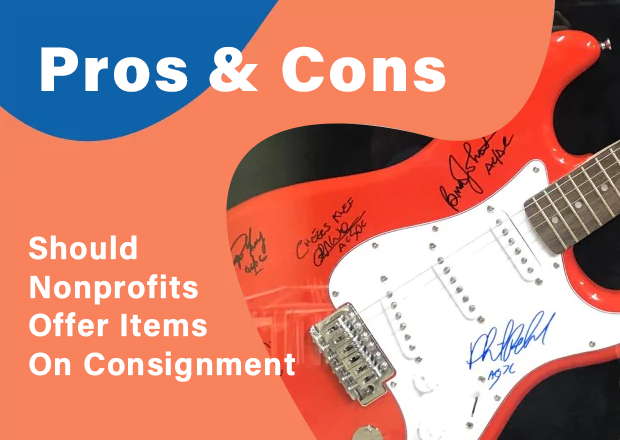
Should Nonprofits Offer Items On Consignment: Pros & Cons

February 26, 2024 Michael Green

In the realm of fundraising, nonprofits are constantly seeking innovative strategies to maximize revenue while minimizing costs. One approach gaining traction is consignment-based fundraising, where nonprofits partner with suppliers to sell goods without upfront payment, only paying for items sold. While this method offers potential benefits, it also presents certain drawbacks that organizations must carefully consider.

PROS:

  1. Reduced Financial Risk: Consignment arrangements alleviate the financial burden on nonprofits by eliminating the need to purchase inventory upfront. This allows organizations to allocate their funds more efficiently, investing in other critical areas such as program development or outreach efforts.

  2. Diverse Product Offerings: Consignment agreements provide nonprofits with access to a wide range of products without the constraints of inventory management. This enables organizations to offer unique and appealing items to their supporters, potentially increasing sales and donor engagement.

  3. Flexibility and Convenience: Nonprofits can adapt their inventory based on demand and trends without the risk of being stuck with unsold merchandise. Additionally, consignment arrangements often involve minimal logistical overhead, saving time and resources for the organization.

CONS:

  1. Lower Profit Margins: While consignment eliminates upfront costs, suppliers typically take a percentage of sales revenue or charge fees, reducing the nonprofit's overall profit margins. This can limit the financial impact of fundraising efforts compared to selling wholly-owned merchandise.

  2. Limited Control over Inventory: Nonprofits may face challenges in selecting and managing inventory under consignment agreements. They rely on suppliers for product availability and quality, which can affect the organization's ability to meet donor expectations and maintain brand reputation.

  3. Potential Legal and Contractual Issues: Engaging in consignment agreements requires careful negotiation and adherence to contractual terms. Nonprofits must ensure they understand the terms and conditions, including liability for damaged or unsold goods, to avoid legal disputes and financial liabilities.

Consignment-based fundraising offers nonprofits a flexible and low-risk approach to diversifying their revenue streams and offering attractive merchandise to supporters. However, organizations must weigh the potential benefits against the inherent risks and challenges associated with limited control, reduced profit margins, and contractual obligations. By carefully evaluating their objectives and resources, nonprofits can determine whether consignment is a suitable strategy to support their fundraising efforts.

← Newer Posts Older Posts →

Michael@michaelgreen.com

646.351.9668